The map has been updated to show re-aquisition of the Hood Barton water. Please note two rod limit.
Category: DAA News
Hood Barton Fishery
28/03
Some very good news. . . . . . .David White has kindly invited the association to fish his water this season. The fishing starts at Eales’ folly, continues all the way to Riverford (Hood) bridge, and includes the orchard field immediately beyond. The fishing is true right bank only.
No reports of fish seen or caught as yet : one or two hardy souls have fished the weir pool for sea trout .
N.B Reports of a huge fish from the Hampshire Avon. It measured 47.5″ and has been estimated at a minimum of 40 lbs !
Guest Tickets
28/03
With the start of the season now underway, we remind all members that Guest Tickets are limited to 5 per season/member, and are bookable in advance by notifying the Secretary : ticket prices remain at £5. The regulation 5 days that Trout members are entitled to can be paid either in advance or at the end of the season when catch returns are due .
Members are also reminded that Guest Tickets are not intended for the same guest throughout the same season and are referred to Fishing Regulation No 6 which covers this and Totnes Weirpool . Discretion on this matter is appreciated.
Bye Law Lifted
16/03
The Bye Law has been officially rescinded so members are now free to spin for spring salmon.
The Committee’s Recommendations to members can be found here
Yesterday (15/03) signified the start of the sea trout season. It will be interesting and useful to hear news and views from members – especially concerning the changes at Totnes Weir Pool. Fingers crossed for better things.
DFA AGM
02/03
All members are welcome at the DFA AGM taking place this Friday evening at the Dartmoor Lodge hotel. The meeting starts at 6.30 pm and includes a ‘questions and answers’ session.
Bye Law Latest News
02/03
It seems likely, if not certain, that the EA Bye law brought in last summer, will be rescinded any day now. This will be a relief for the association. Confirmation and further detals will be posted asap.
Totnes weir pool update
29/02
The work at Totnes Weir is nearing completion . All landscaping around the weir is due to be finished by the end of March .
However work is not yet complete, and members should be aware that access across the weir is also not finished and crossing the weir should not be attempted.
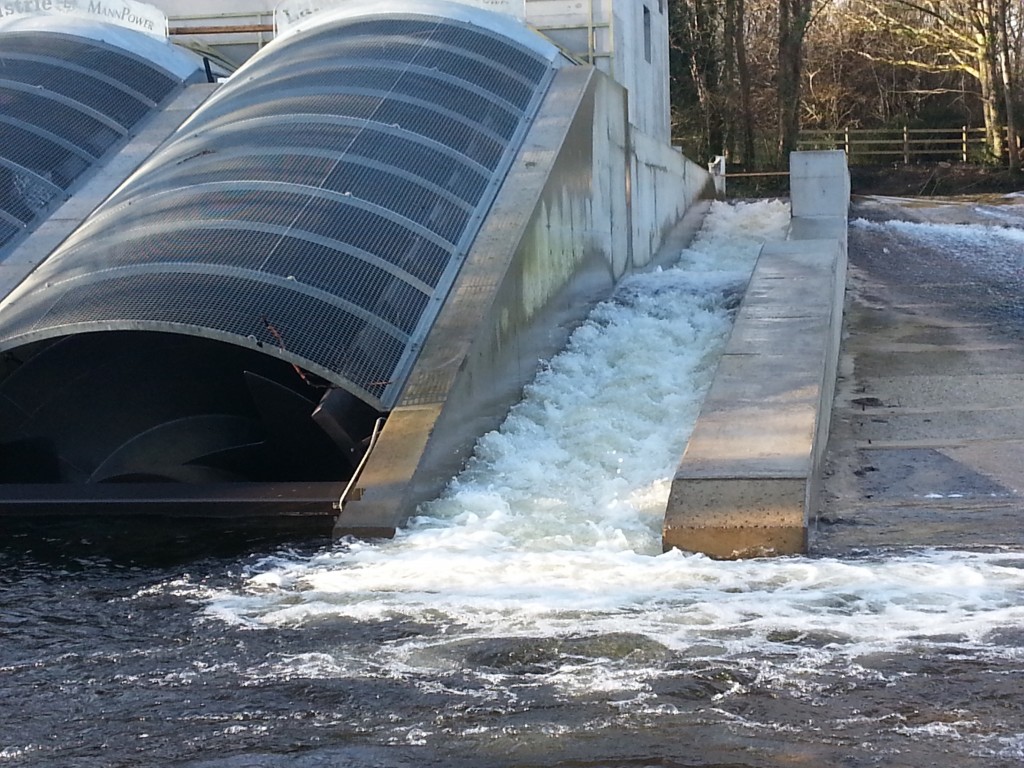
A steel walkway at the back of the building is nearing completion within the next couple of weeks . Once completed the platform/walkway will give access for Association members (only) to cross the weir via a combination locked gate , photographs showing the walkway will be placed on the website once it is available for use . We will probably use our normal combination but will review this possibility and advise members once installed. The new Larinier fish ladder is working and the fish counter installation nearly complete (also should be working by the end of March)
Improvements at the bottom of the old fish ladder are also taking place .
The next year or two will certainly be a learning curve as we adapt to fishing in the weir with the different flows .
Over the next month or two the committee advise all members to treat the area with caution while the final work is completed at the site, and when fishing the weirpool this coming season.
Phil Prowse
Hon Sec .
Revised Bank Clearing Location
Please not that Sunday’s bank clearing will be at Hembury and not TWP. Start time as usual 9.30 a.m
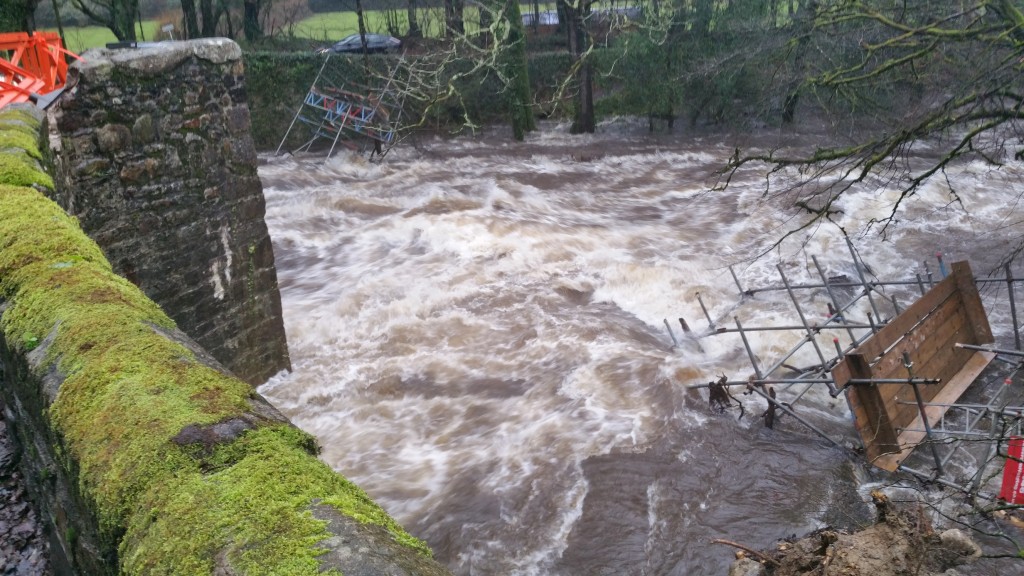
The annual scaffold migration. Holne Bridge !
The new fish pass at TWP