DART ANGLING ASSOCIATION -APRIL 2017
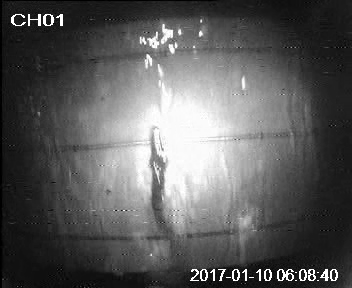
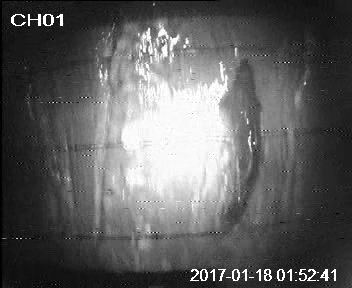
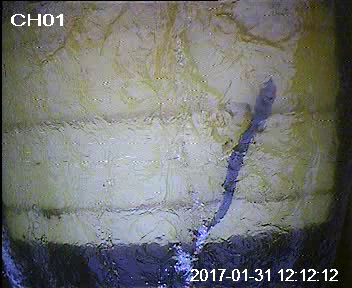
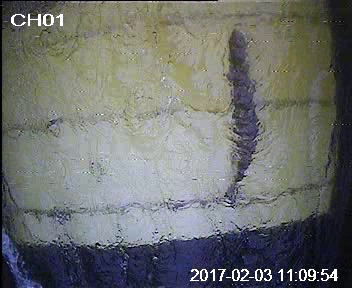
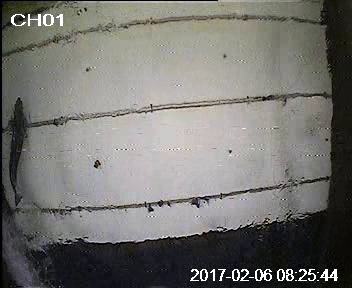
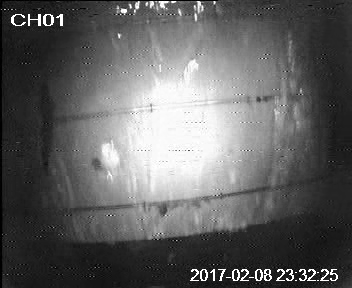
The season should soon be getting well underway, and one or two keen individuals have ventured out both to Totnes Weir and up river. A good run of sea trout would certainly be much appreciated by members and we will be monitoring the run carefully to check numbers both through the counter and visually. About 30 fish went up the fish ladder in early March and the average size of 400-500 millimetres would indicate these were probably sea trout. The counter is continually being fine tuned with enhanced overhead camera footage and replaced side cameras this spring. Some recent overhead photos are here
New Water
This season the Association will be renting one rod (probably for this season only) on Andrew Newman’s fishing above New Bridge (named Hannaford Fishery). The beat is about half a mile and true left bank. Details with maps, access etc are here. It will be best to park at Newbridge car park, walk upstream and just before the pond take the track past the meadow on your left and at the start of the wood take the small gate with the padlock (combination [applying to this water only] available from Hon Sec) The fishing is of course ‘Fly Only’, being above Holne Bridge.
I would advise members that the fishing is not available June 19th – 22nd and 19th – 21st July. I would also advise members that the fishing can become very busy with holiday makers and picnickers during the high summer months. Sea trout fishing would probably be best done before June, however the beat does have salmon fly fishing potential, particularly in a wet spell and would probably be best fished early and late in the day. Grilse fishing during July, August and September could be productive but please be aware of the public access which will be much in evidence particularly during fine weather.
Fishing Regulations 2017
The committee have decided these will be basically the same with some slight adjustment and recommendations as follows:
Salmon
On salmon the emphasis is to remain with the continued policy of as much catch and release as possible. Last year all salmon were returned. 100% Well done!
The first salmon caught by members after June 15th to be returned (This immediately boosts our C&R rate significantly).
A limit of no more than one salmon kept per member during the season.
The committee also agreed that spinning for salmon should be allowed at Totnes Weir throughout the season. We may at some stage place a new spinning height marker on the weir. Would members please use their discretion if spinning after April 1st, particularly if the river is becoming low(say 40 at Austins Bridge). This recommendation will of course be subject to annual review.
Sea Trout
A limit of no more than two per night to be kept.
Please also again consider a voluntary catch limit of no more that 25 sea trout kept during the season.
The return of sea trout caught over 6lb and a continued minimum size of 12ins.
Some concern has been expressed to the committee about sea trout being foul hooked when night fishing in Totnes Weir and how the use of a dropper may possibly increase the risk. The committee do not wish at this stage to introduce further restriction on method but if fish are being foul hooked regularly on the dropper particularly in low water conditions when there are a lot of fish in the pool, please consider either reverting to a single hook or possibly even moving position in the pool away from where fish might be shoaling.
This year’s membership cards will arrive in the post soon and new updated handbook inserts should be available in the next couple of weeks.
Tight lines
P.I.Prowse Hon Sec